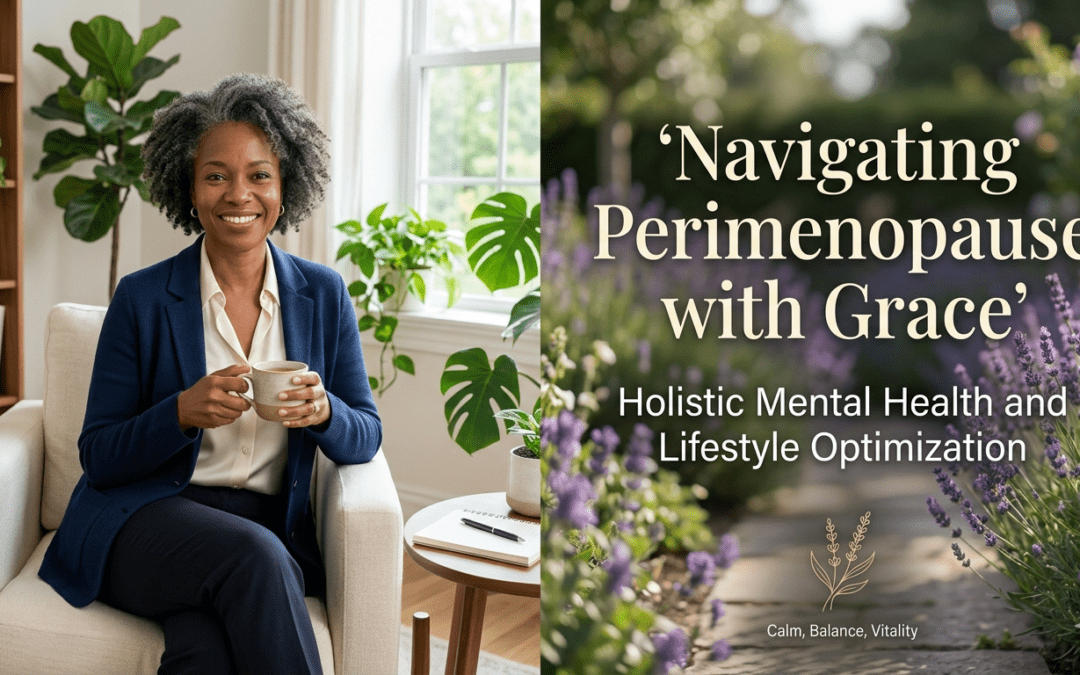
Perimenopause, Hormonal Shifts, and Holistic Wellness for Women 35+
If you are 35 or older, it is important to understand that your body may begin transitioning into what is commonly referred to as the perimenopausal phase. This period can extend from the mid-30s into the late 40s or early 50s, and it is marked by a range of hormonal, emotional, cognitive, and physical shifts that are often subtle at first, but meaningful over time.
One of the most important things to recognize is that these changes are not only biological, but also psychological and lifestyle-related. Many women begin noticing shifts in mood, emotional sensitivity, energy levels, preferences, relational dynamics, and even core values. You may not feel as consistently centered or regulated as you once did, and this can feel confusing if you are not expecting it.
At the same time, metabolism and physical energy can also shift, particularly if sleep, nutrition, and movement are not being consistently supported. These changes are common, and they are also highly responsive to intentional lifestyle care.
From a holistic perspective, these transitions are not something to fear. Rather, they are something to understand, support, and work with in a proactive and compassionate way.
One of the foundational pillars during this stage of life is sleep. Prioritizing consistent, restorative sleep becomes essential for emotional regulation, cognitive clarity, and physical recovery. Many women find that their sleep patterns begin to shift, making it important to create supportive routines and environments that promote deeper rest.
This may include practices such as temperature regulation at night, minimizing environmental stimulation, and using supportive tools that promote relaxation. Magnesium supplementation is something some individuals find helpful for sleep support, though it is always important to approach supplementation thoughtfully and in alignment with one’s medical providers.
Another key component is nutrition. As the body changes, it often requires more intentional fueling. This includes adequate protein intake, balanced meals, and consistent nourishment throughout the day. Many women find that focusing on whole food structure—protein, healthy fats, carbohydrates, and vegetables—supports more stable energy, mood regulation, and metabolic balance.
Hydration also becomes increasingly important, as does consistency in meal timing and composition. The goal is not restriction, but stability and support for the body’s changing needs.
In addition to physical health, emotional and psychological flexibility becomes essential during this life stage. Many women notice a natural period of reflection and reevaluation around their 40s, where career choices, relationships, identity, and long-term direction come into focus more deeply. These transitions can sometimes lead to major life decisions, including career changes, relationship shifts, or lifestyle restructuring.
Rather than viewing this as instability, it can be understood as a period of recalibration and realignment. When supported well, it becomes an opportunity for greater authenticity, clarity, and intentional living.
A key therapeutic principle during this stage is self-compassion. There is often pressure to maintain previous standards of productivity, appearance, emotional regulation, or performance. However, hormonal shifts naturally influence how the nervous system and body respond to stress. Learning to allow flexibility, grace, and understanding toward oneself becomes a critical part of emotional wellness.
It is also important to acknowledge the role of mindset and imagination in this stage of life. Many individuals become disconnected from creativity or possibility over time due to stress, responsibility, and routine. Reconnecting with imagination can support emotional renewal, personal insight, and a stronger sense of agency in shaping one’s life moving forward.
Ultimately, this stage of life is not about decline. It is about transition, awareness, and intentional support. With the right combination of sleep, nutrition, emotional regulation, self-compassion, and lifestyle alignment, women can navigate this phase with greater ease, stability, and clarity.
The goal is not perfection. The goal is sustainable wellness, emotional balance, and a life that feels both grounded and aligned with who you are becoming.
Cassandra Hutchins, PsyD
Clinical Psychologist
Founder, The Cass Center for Psychological and Holistic Wellbeing
Integrative mental wellness for clarity, balance, and intentional living.